
Safety and quality
A roof is only as good as the day it was installed, and a crew is only as good as the way it is run. Here is how we run a job.
Safety
Safety is paramount to how we approach every project. We take it extremely seriously so that every person on our crews makes it home safe to their family each night. PFR is fully OSHA compliant. Every crew member holds, at a minimum, OSHA 10, fall protection, rigging and lift equipment certifications, and every foreman and superintendent also holds OSHA 30.
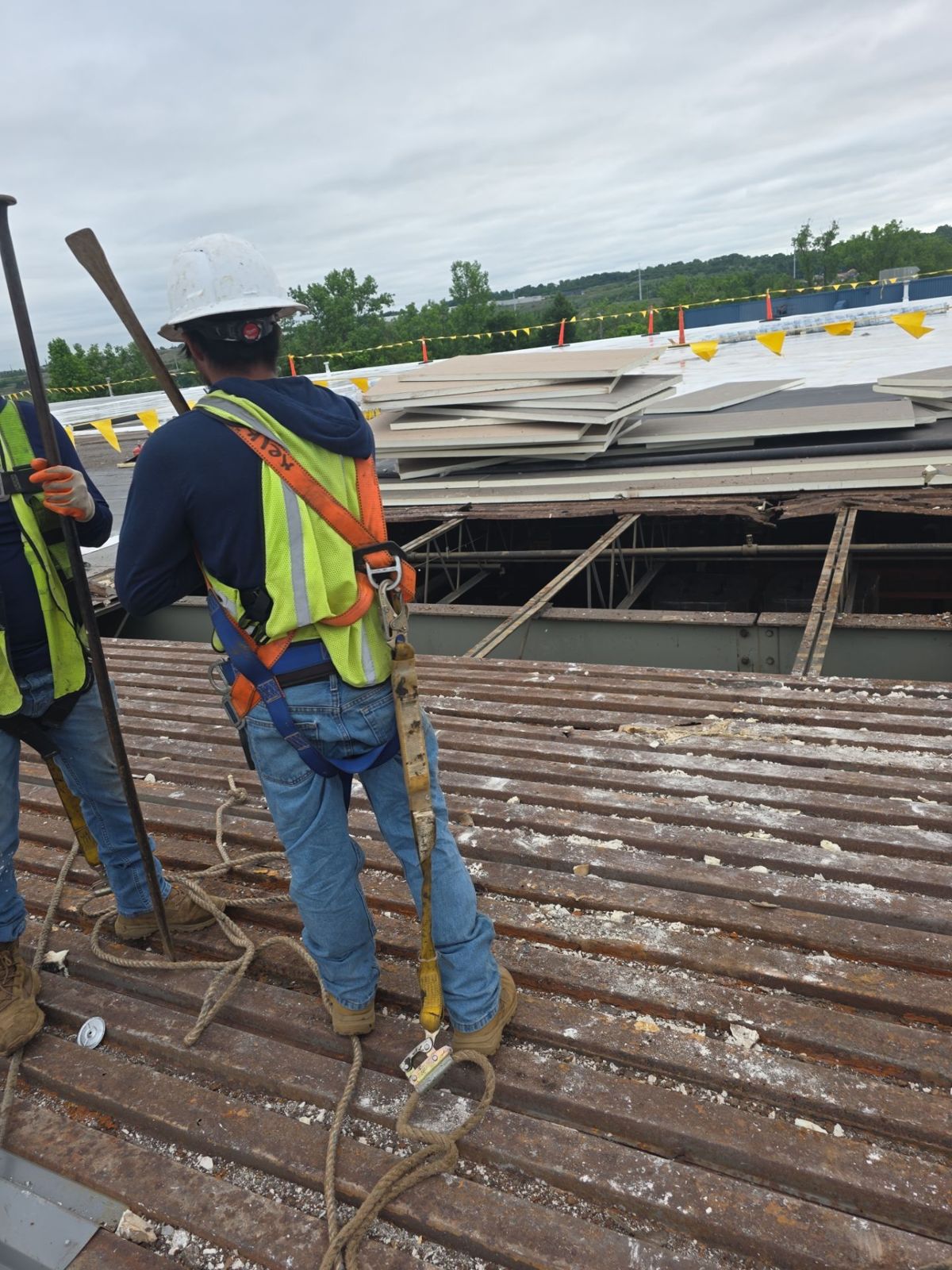
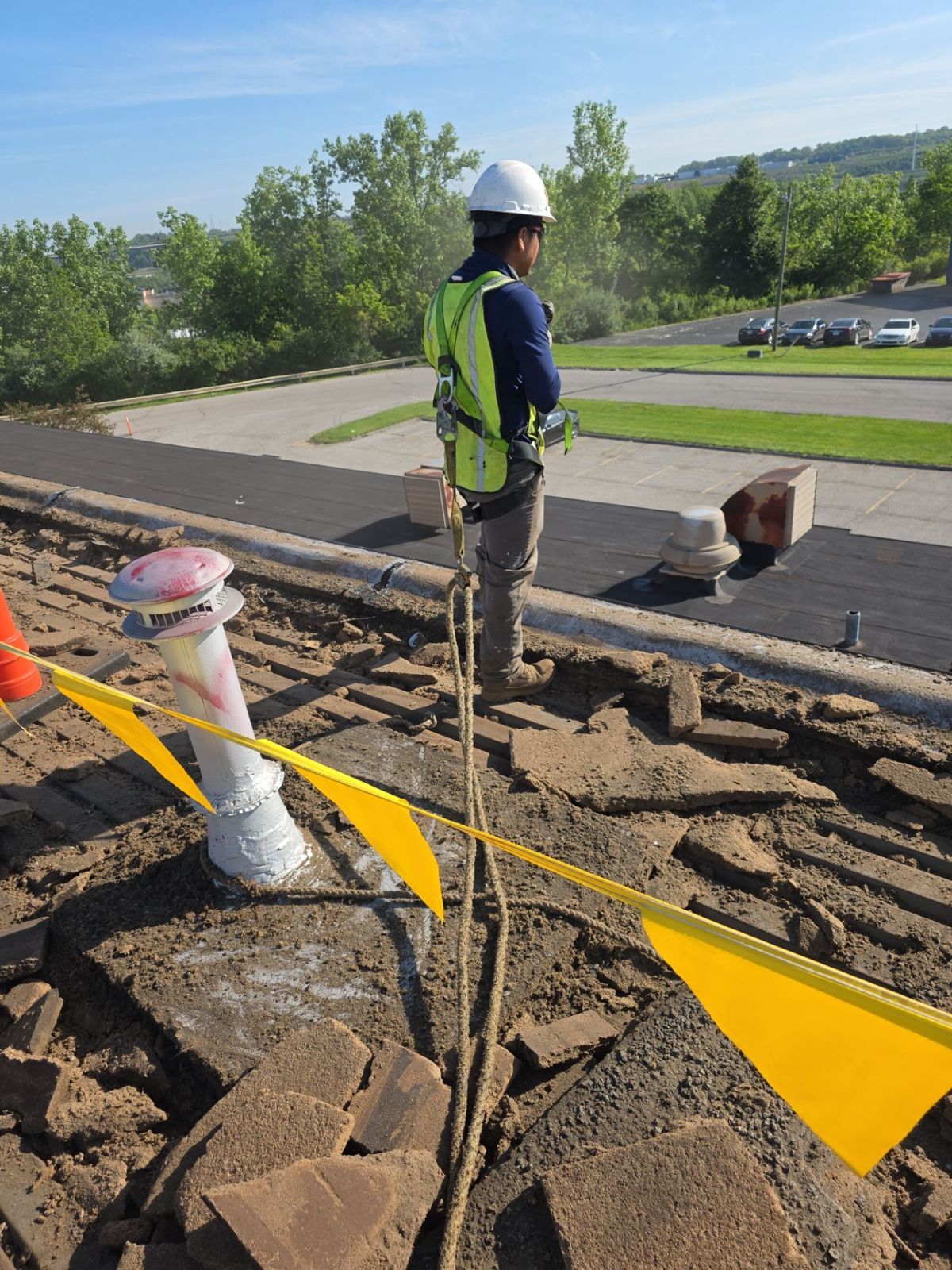
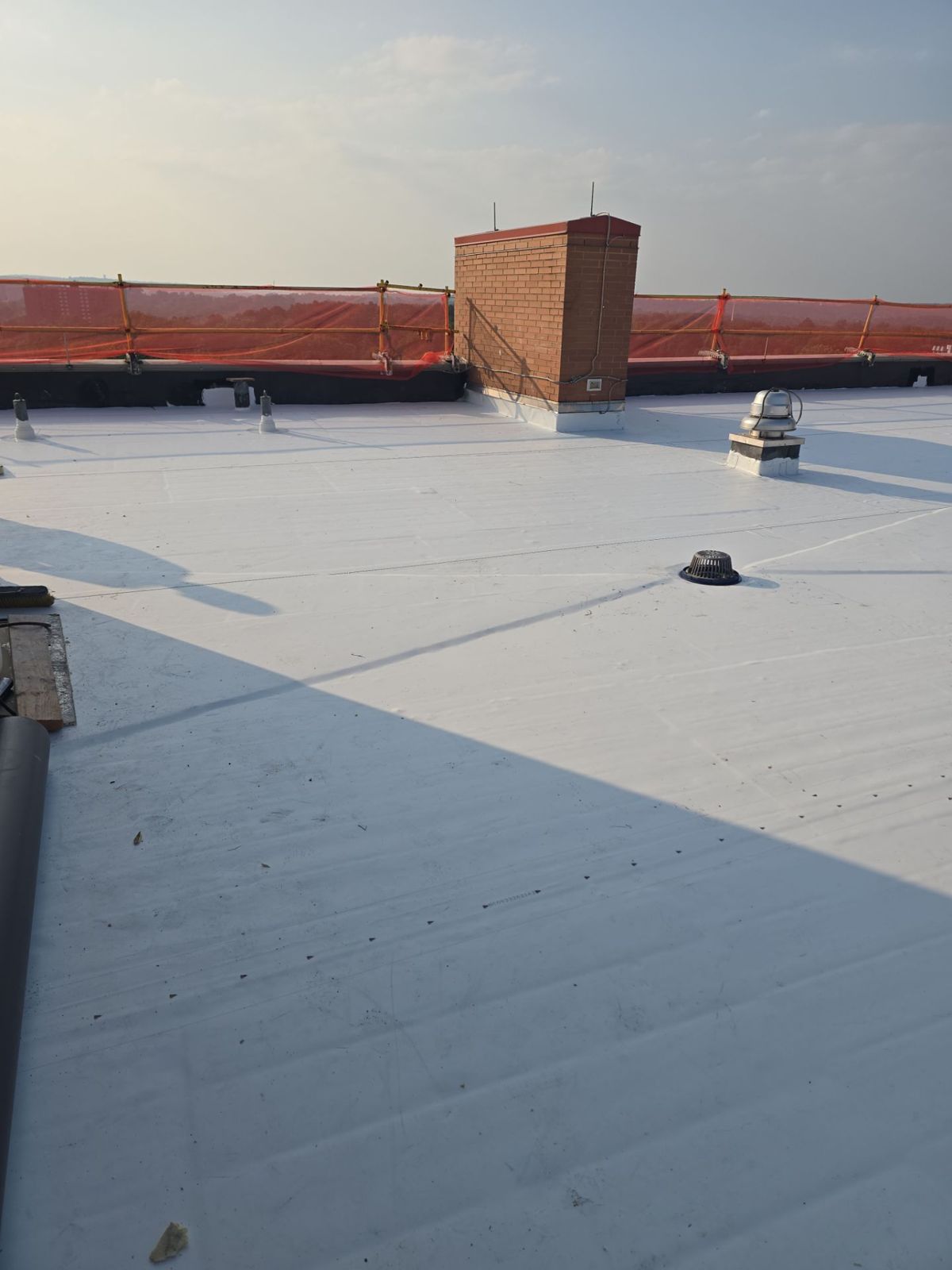
Roofing is the most dangerous trade on the site, and falls are the reason. Every PFR job runs under a written, site-specific safety plan. On any roof six feet or more above the level below, workers are protected by guardrails, warning lines with a monitor where permitted, or personal fall arrest tied to anchors that we install and inspect. On steep roofs we use fall arrest, always.
Our foremen hold a daily safety briefing with the crew in Spanish before the first tool comes out, and record a daily inspection of the roof edge, access, hoisting and housekeeping. Hot work, adhesives and solvents are handled under the manufacturer's safety data sheets, which travel with the material.
On every job
- OSHA 10, fall protection, rigging and lift certified crews, with OSHA 30 foremen and superintendents
- Site-specific safety plan and job hazard analysis
- Fall protection to OSHA 29 CFR 1926 Subpart M
- Daily bilingual safety briefing and inspection record
- Materials loading and crane safety plan
- Safety data sheets for every product on the roof
- Same-day incident reporting to you and to our office
Quality
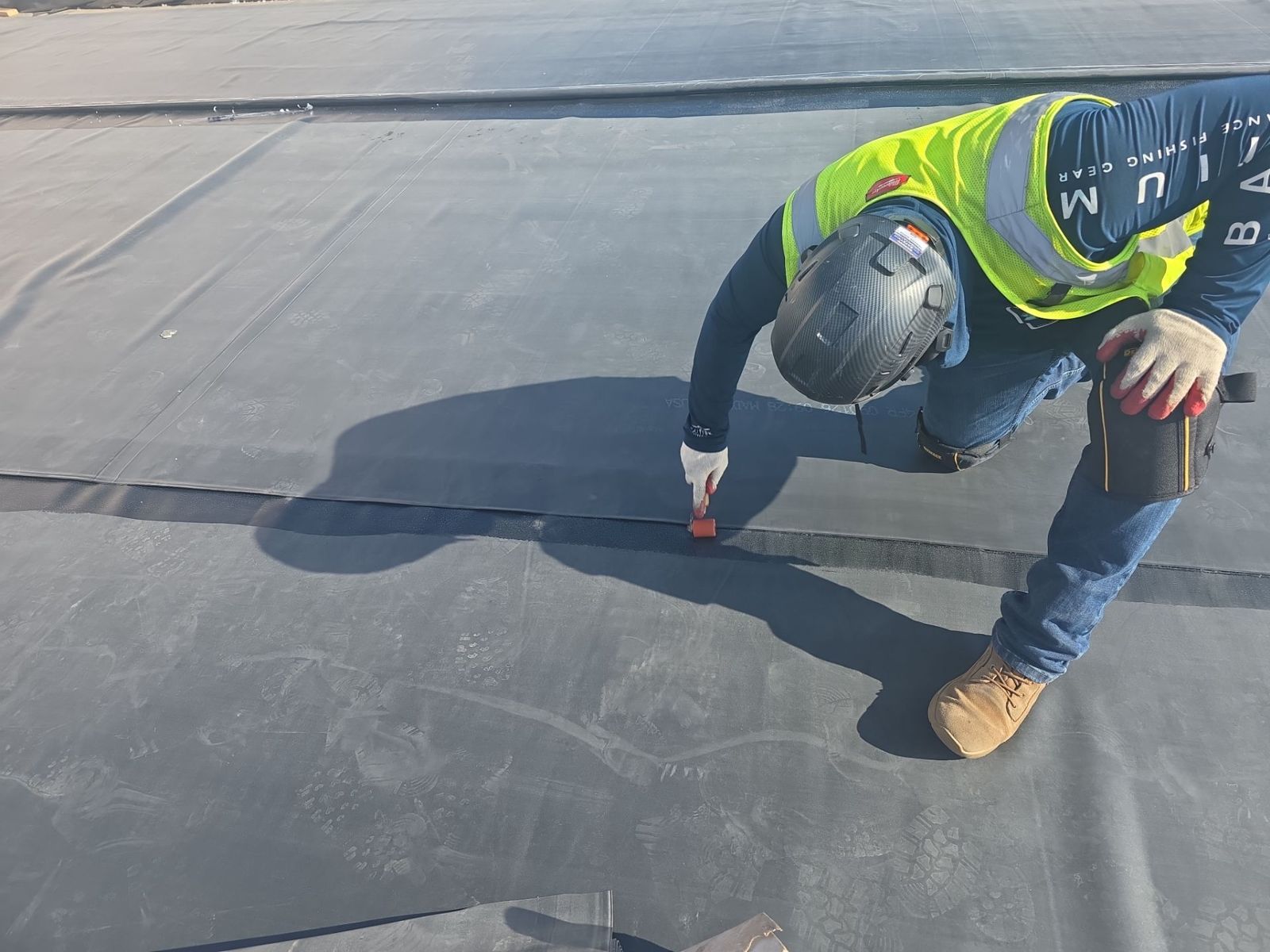
We run a written quality system built around the three things a roof is judged on: watertightness, securement and the finished detail. Each has defined inspection points, a defect code list, and a first-pass measure we track on every job so a crew that is drifting is corrected the same week.
Seams are probed and test-cut, fastening patterns are checked against the assembly letter by wind zone, and flashings are inspected against the manufacturer's detail before they are covered. The manufacturer's technical representative inspects at completion, and the warranty is issued on their sign-off, not ours.
Documented, every day
- Roof assembly letter stating securement by corner, perimeter and field zone
- Preconstruction meeting and roof walk with your superintendent
- Daily report: men, hours, quantities installed by area, delays, photos
- Photo record of every detail before cover
- Manufacturer final inspection and warranty registration
- Closeout package with as-built roof plan and maintenance guidance
Why the language matters
Our field workforce speaks Spanish, and our customers speak English. We treat that as an operating condition, not an excuse. Scope briefings, staging plans, safety forms and crew handbooks are written in both languages and issued before the job starts. Field supervision is bilingual. The result is a crew that understands the job on day one and a customer who gets a clear record every evening.
Certified, so the warranty stands
We are a GAF Certified commercial contractor and a certified installer for Versico, Duro-Last and Soprema. That is what lets us register the job, call the manufacturer's inspector and hand the owner a warranty backed by the company that made the membrane.